
What is Calendula?
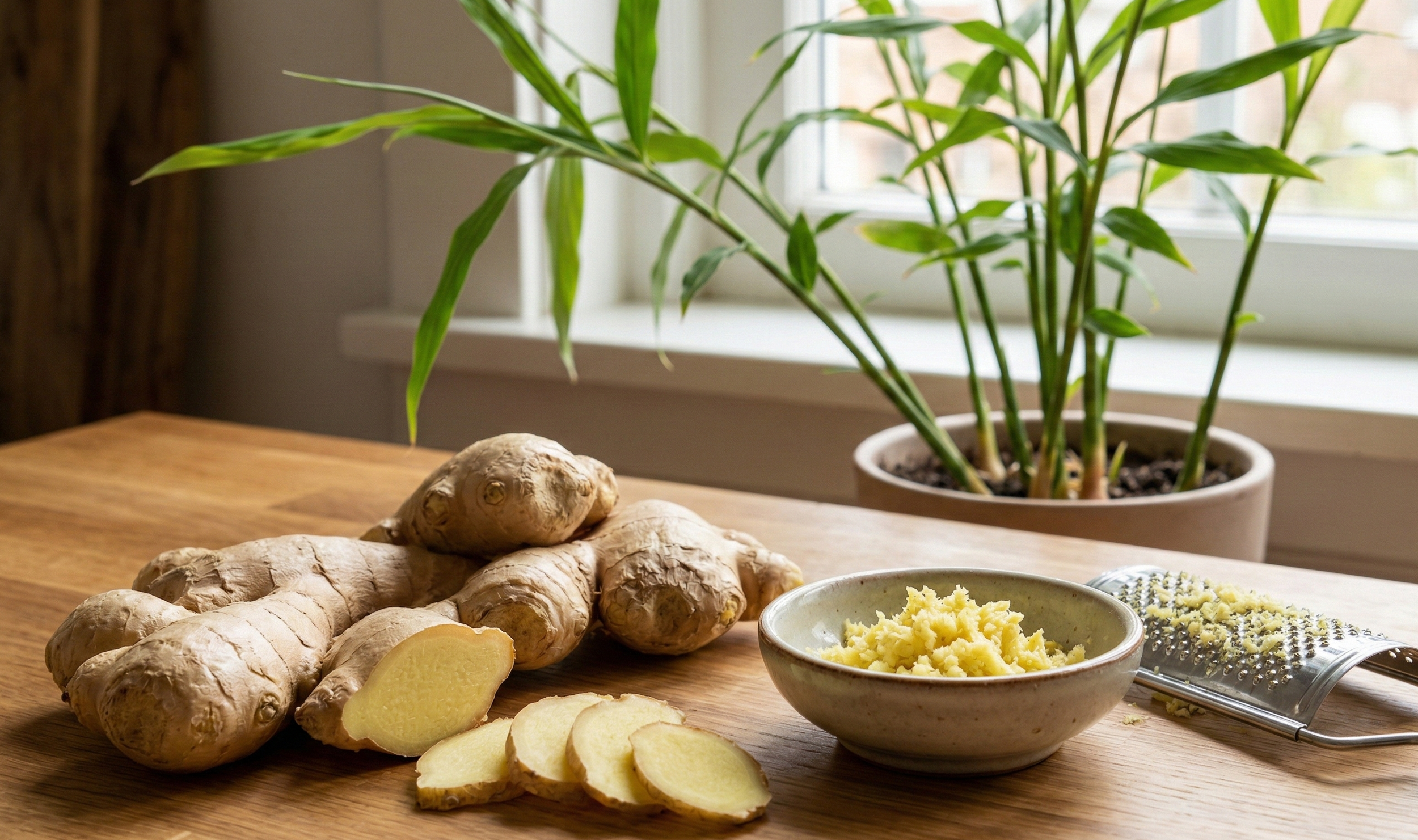
Calendula is a bright orange flower traditionally used to support skin health and gentle topical care.
In many traditional kitchens and home apothecaries, calendula was not introduced as a supplement. It was introduced as a flower. Bright, resilient, growing easily near the garden gate.
Families dried the petals at the end of summer and kept them in jars alongside culinary herbs. The petals were infused into oils, stirred into salves, or steeped into simple preparations for skin and minor irritations.
Calendula is not new. It is a plant with a long record of practical, everyday use. Below is a clear look at what it is, how it has been used, and what modern research suggests.
Calendula at a Glance
Botanical Name: Calendula officinalis
Plant Family: Asteraceae
Used For: Skin support, soothing minor irritations, traditional wound care
Traditional Preparation: Oil infusion, salve, poultice, tea
Flavor Profile: Mildly bitter, slightly earthy
What Is Calendula?
Calendula refers to the flowering tops of Calendula officinalis, a plant commonly known as pot marigold. It is native to the Mediterranean region but is now cultivated widely.
Traditionally, calendula has been used topically to support skin health. Herbal texts describe it as soothing and supportive for minor cuts, scrapes, dry skin, and irritation.
Modern research has studied calendula for its anti inflammatory, antimicrobial, and antioxidant properties. It is commonly found in creams, oils, and tinctures formulated for skin support.
When used internally as a tea or tincture, calendula has also been traditionally used to support digestive and immune function, though topical use remains the most common application
Historical & Traditional Use
Calendula appears in European herbal records dating back to the Middle Ages. It was commonly grown in monastery gardens and household plots.
Traditional herbalists used calendula flowers in:
Oil infusions for skin
Warm compresses
Gentle digestive teas
Preparations for minor wounds
In Appalachian and rural American traditions, calendula became part of the home remedy cabinet. The preparation methods were simple and consistent: dry the petals, steep them in oil or alcohol, and use as needed.
How It Works
Active Compounds
Calendula contains several plant compounds that have been studied for biological activity:
Flavonoids which function as antioxidants
Triterpenoids associated with anti inflammatory activity
Carotenoids which contribute to the flower’s bright color and antioxidant properties
Essential oils with mild antimicrobial effects
These compounds are primarily concentrated in the flower heads.
What Research Suggests
Research has explored calendula for:
Supporting wound healing through tissue regeneration
Reducing localized inflammation
Providing mild antimicrobial activity
Some studies suggest calendula extracts may support collagen production and tissue repair when applied topically. Other laboratory studies have identified antioxidant activity that may contribute to skin protection.
While promising, most research focuses on topical use, and more large scale human studies are needed to confirm specific outcomes.
Benefits People Commonly Seek
People commonly use calendula for:
Supporting minor wound recovery
Soothing dry or irritated skin
Calming redness
Supporting skin barrier function
Gentle digestive support when used traditionally as tea
Use varies depending on preparation and individual needs.
Safety & Considerations
Calendula is generally considered safe for topical use in most individuals.
Consult a healthcare professional if:
You are pregnant or breastfeeding
You have known allergies to plants in the Asteraceae family (such as ragweed)
You are taking sedatives or medications affecting blood pressure
You plan to use calendula internally in concentrated form
General guidance:
Perform a patch test before topical use
Discontinue use if irritation occurs
Do not apply to deep or serious wounds without medical supervision
This information is educational and not intended to diagnose, treat, cure, or prevent any disease.
Frequently Asked Questions
-
Topical calendula preparations are commonly used daily for general skin support. Internal use should be discussed with a healthcare professional.
-
For minor skin concerns, some individuals report noticing changes within a few days. Results vary depending on the condition and formulation.
-
Calendula oil or salve is often layered with other gentle skincare products. If using medicated creams, consult a healthcare provider.
-
When prepared as tea, calendula has a mild, slightly bitter, earthy taste.
Sources & References
PubMed indexed studies on Calendula officinalis and wound healing
European Scientific Cooperative on Phytotherapy (ESCOP) Monographs
American Herbal Pharmacopoeia
Traditional European herbal texts
