
What is Juniper Berry?
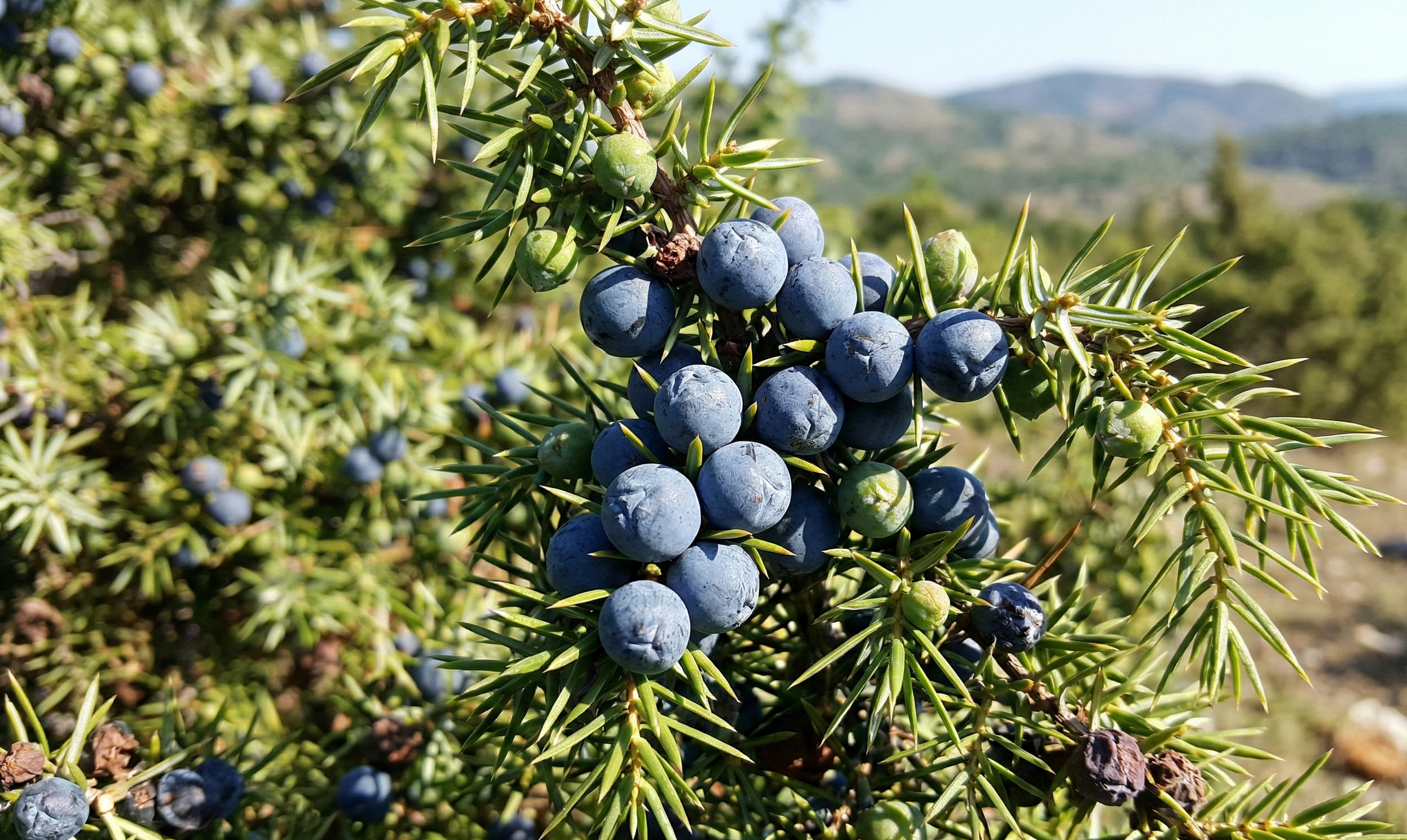
Juniper berry is the small, blue fruit of the juniper shrub, traditionally used to support urinary health, digestion, and overall wellness.
Juniper grows slowly across rocky hillsides and open fields, often where the soil is thin and the winters are long. The berries take nearly two years to mature, shifting from green to a deep, dusty blue.
For generations, herbalists gathered these berries as a practical remedy. In traditional European and early American herbal practice, juniper was valued for its cleansing properties and its distinct, sharp aroma. Today, it remains one of the most recognized botanical ingredients in natural extracts and tinctures.
Juniper Berry at a Glance
Botanical Name: Juniperus communis
Plant Family: Cupressaceae
Used For: Urinary tract support, digestive support, antioxidant properties
Traditional Preparation: Dried berry, tea (infusion), tincture, crushed powder
Flavor Profile: Piney, slightly sweet, resinous, mildly bitter
What Is Juniper Berry?
Juniper berry is the cone of the evergreen shrub Juniperus communis. Although commonly called a “berry,” it is technically a seed cone with fleshy, fused scales that give it a berry-like appearance.
Traditionally used for its diuretic and digestive properties, juniper berry has been studied for its antioxidant compounds and volatile oils. Herbalists have long incorporated it into extracts and teas to support urinary tract health and healthy digestion. Modern research continues to explore its bioactive compounds and their potential effects on the body.
Historical & Traditional Use
Juniper has been used across cultures for centuries. In European herbal traditions, it was often included in cleansing formulas and tonics. Historical texts from the Middle Ages reference juniper berries for urinary discomfort and digestive sluggishness.
Indigenous communities in North America also used juniper species for a variety of purposes, including teas and topical preparations. Early American settlers adopted many of these practices.
Beyond internal use, juniper was historically burned for its aromatic properties and used in food preservation. Its strong, resinous character made it both practical and symbolic in traditional life.
How It Works
Active Compounds
Juniper berries contain several bioactive compounds, including:
Volatile oils such as alpha-pinene and limonene
Flavonoids
Terpenes
Antioxidant compounds
These constituents contribute to juniper’s characteristic aroma and its traditional applications.
What Research Suggests
Research has examined juniper berry for:
Antioxidant activity
Mild diuretic effects
Antimicrobial properties in laboratory settings
Some studies suggest that compounds in juniper may support urinary tract function by promoting increased urine output. Other research has explored its potential effects on blood sugar regulation and digestive support. More large-scale human studies are needed to establish definitive clinical outcomes.
As with many traditional botanicals, modern science is still working to fully understand mechanisms that herbalists observed empirically for generations.
Benefits People Commonly Seek
People commonly use juniper berry for:
Supporting urinary tract health
Promoting healthy digestion
Occasional bloating
General cleansing protocols
Antioxidant support
Individual results may vary, and herbal extracts are not intended to diagnose, treat, cure, or prevent any disease.
Safety & Considerations
Juniper berry is generally considered safe when used in appropriate amounts for short periods.
Consult a healthcare professional if you:
Are pregnant or breastfeeding
Have kidney disease or kidney inflammation
Are taking diuretic medications
Are managing diabetes
Are taking medications that affect blood sugar
Excessive or prolonged use may irritate the kidneys. Juniper Essential Oil should not be ingested unless under professional supervision.
As with any botanical ingredient, quality sourcing and proper preparation matter. Always follow dosage instructions and consult a qualified healthcare provider with any concerns.
Frequently Asked Questions
-
Short-term use in appropriate doses is generally considered safe for most healthy adults. Long-term daily use should be discussed with a healthcare professional.
-
This depends on the purpose for use. Some people notice digestive support relatively quickly, while other intended effects may require consistent use over time.
-
Juniper may interact with diuretics, diabetes medications, and medications affecting kidney function. Consult a healthcare professional before combining with prescription medications.
-
Juniper berry has a piney, resinous flavor with mild sweetness and subtle bitterness. It is often described as crisp and aromatic.
Sources & References
PubMed: Studies on Juniperus communis antioxidant and diuretic properties
European Medicines Agency (EMA) herbal monographs
American Botanical Council HerbalGram publications
Hoffmann, D. Medical Herbalism
Mills, S. & Bone, K. Principles and Practice of Phytotherapy
