
What is Skullcap?
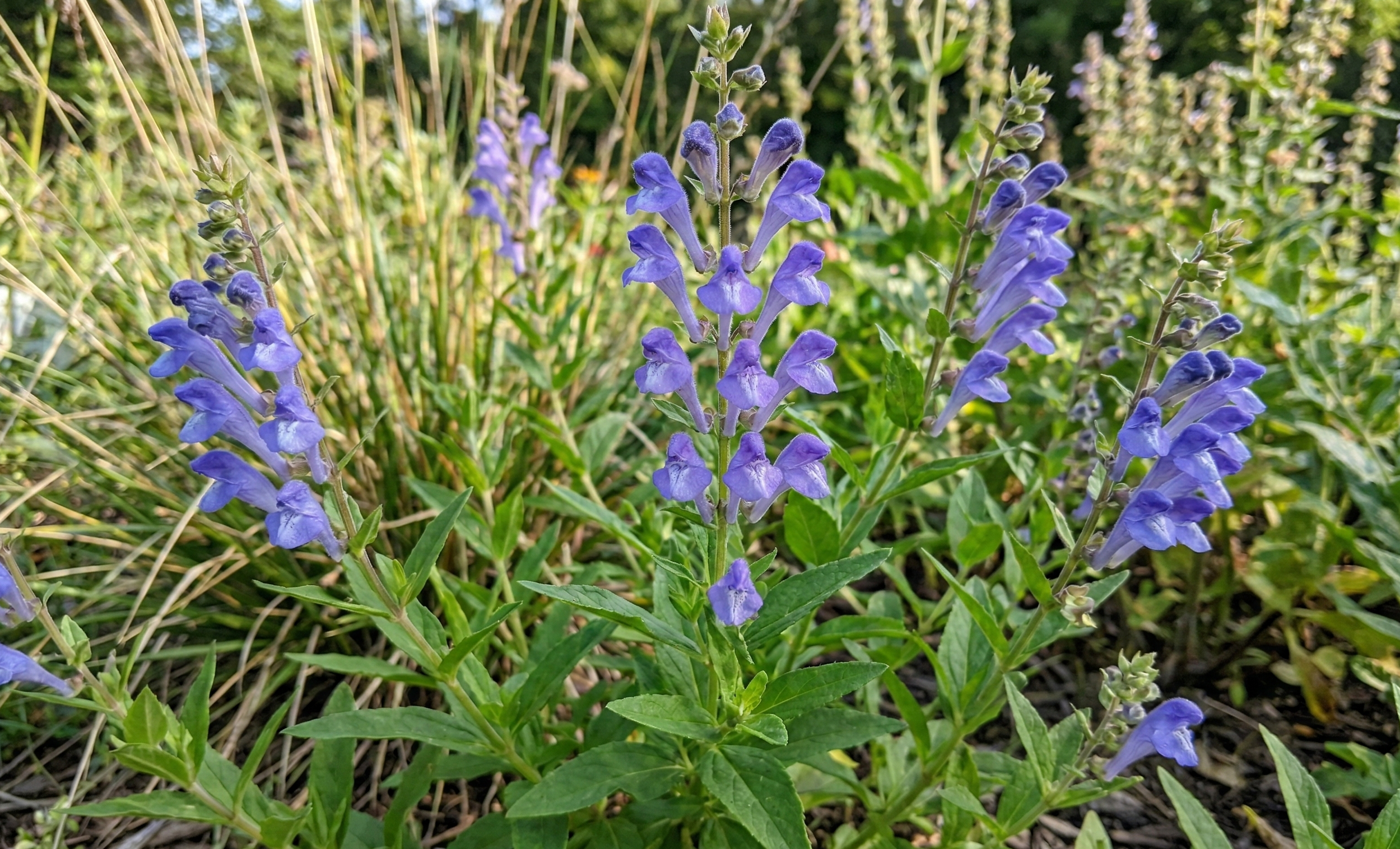
Skullcap is a traditional calming herb long used in North American and European herbal practice.
For generations, people living close to the land learned which plants helped them rest, which helped them heal, and which simply made life a little easier. Skullcap is one of those plants. It often grew quietly along field edges, woodland clearings, and creek banks, where herbalists and homesteaders would gather it during the flowering season.
In many traditional herbal traditions, skullcap was valued as a calming plant. It appeared in home apothecaries and simple tinctures used during times of nervous tension, restlessness, or long days of physical labor.
Today, skullcap remains part of both traditional herbal practice and modern natural wellness conversations. While research is still ongoing, its long history of use continues to make it a subject of interest for herbalists and researchers alike.
Skullcap at a Glance
Botanical Name: Scutellaria lateriflora
Plant Family: Lamiaceae (Mint family)
Used For: Traditionally used to support relaxation and nervous system balance
Traditional Preparation: Tea, tincture, or dried herb infusion
Flavor Profile: Mildly bitter with earthy, slightly mint-like notes
What Is Skullcap?
Skullcap is a flowering plant native to North America and part of the mint family. The most commonly used medicinal species is American skullcap (Scutellaria lateriflora), though related species exist in other parts of the world.
The plant produces small blue or purple flowers and typically grows in moist woodland areas. In herbal preparations, the aerial parts of the plant (leaves and stems) are most often used.
Skullcap has been traditionally used to support relaxation and nervous system health. Herbalists have historically included it in formulas intended to help with occasional nervous tension, restlessness, and difficulty unwinding after long days.
Modern interest in skullcap focuses on the plant’s naturally occurring compounds, particularly flavonoids that may play a role in its traditional calming reputation.
Historical & Traditional Use
Skullcap has a long history in North American herbal traditions.
Indigenous communities were among the first to recognize the plant’s calming properties. Early American herbalists later adopted skullcap into their own practices during the 18th and 19th centuries. It became especially common in early American herbal medicine as a remedy used during periods of nervous agitation or stress.
In the 1800s, skullcap appeared in several herbal pharmacopoeias and physician manuals. Practitioners of Eclectic medicine, a system that combined botanical medicine with early clinical observation, frequently recommended skullcap preparations.
In rural communities and homesteads, skullcap tinctures and teas were often part of the household herbal cabinet.
How It Works
Active Compounds
Skullcap contains several naturally occurring compounds that researchers believe may contribute to its traditional effects, including:
Flavonoids such as baicalin and scutellarin
Antioxidant compounds
Various plant polyphenols
Flavonoids are widely studied in plant medicine for their potential role in supporting cellular health and neurological function.
What Research Suggests
Modern research on skullcap is still developing, but early studies suggest its compounds may interact with pathways related to relaxation and nervous system activity.
Some research has explored skullcap’s potential role in supporting calm mood states and managing occasional nervous tension. These findings are preliminary and researchers continue to study the plant to better understand its mechanisms.
As with many traditional herbs, skullcap’s historical use provides context, while scientific research continues to evaluate its effects under controlled conditions.
Benefits People Commonly Seek
People commonly use skullcap for:
Supporting relaxation during periods of stress
Promoting calmness and mental ease
Supporting healthy sleep routines
Helping the body unwind after long or demanding days
It is important to note that skullcap is not intended to diagnose, treat, cure, or prevent disease, and experiences may vary from person to person.
Safety & Considerations
Skullcap has a long history of traditional use, but like all herbal ingredients, it should be used thoughtfully.
Consult a healthcare professional if you:
Are pregnant or breastfeeding
Take prescription medications
Have a diagnosed medical condition
Are planning surgery
Possible considerations:
Skullcap may have mild sedative effects for some individuals.
Combining it with other calming herbs or sedative medications should be discussed with a healthcare professional.
As with any herb, individual sensitivities can occur.
Following recommended serving guidelines and speaking with a qualified practitioner can help ensure safe use.
Frequently Asked Questions
-
Many people use skullcap regularly in herbal teas or tinctures. However, long-term use should be discussed with a healthcare professional, especially if you take medications or have underlying health conditions.
-
Experiences vary. Some people report noticing calming effects within a short period of time when using tinctures or teas, while others may use it as part of a longer-term wellness routine.
-
Skullcap may interact with medications that affect the nervous system. If you take prescription drugs, it is best to consult a healthcare professional before use.
-
Skullcap has a mild herbal flavor with slightly bitter and earthy notes. When prepared as a tea, it is often blended with other herbs to balance the taste.
Sources & References
PubMed – Research on Scutellaria lateriflora flavonoids
American Herbal Pharmacopoeia: Skullcap Monograph
Medical Herbalism by David Hoffmann
Herbal Medicine: Biomolecular and Clinical Aspects (CRC Press)
Historical Eclectic Medical Journals and Herbal Texts
